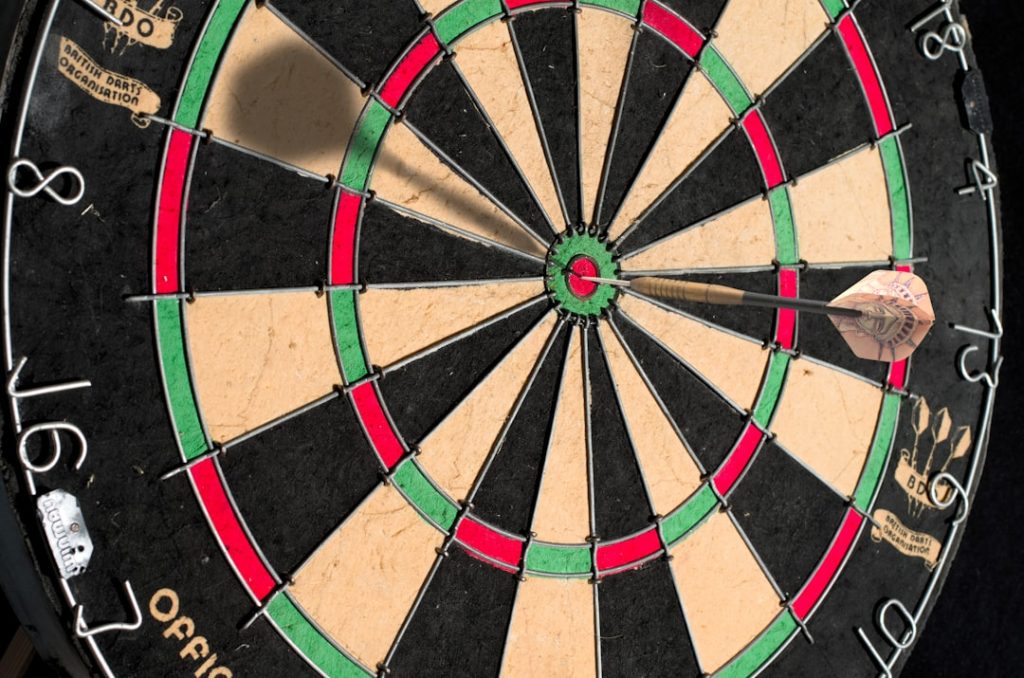
Best of eleven legs is a different bet from best of seven sets; a best-of-19 frames match is a different bet from a best-of-seven. How format, handicaps and form combine in two sports where the market prices on reputation.
Darts and snooker have a lot in common as betting sports. Both are individual, both are played in short formats where a hot start can decide everything, both have deep, well-covered tours below the televised events, and in both the market has a habit of pricing players on who they were two seasons ago. The single most important thing to understand in either sport is the format of the match you are betting on.
Format decides the favourite’s chance
Class tells over distance. A top player who is a 65% favourite in a best-of-eleven-legs darts match might be a 75% favourite over a best-of-seven-sets World Championship match, and the same is true in snooker between a best-of-seven at a ranking event and a best-of-19 at the Crucible. Bookmakers know this, but they do not always adjust fully, and neither do punters who back the outsider in the long format because the price looks big, or the favourite in the short one because the name is familiar.
A useful habit: before every bet, check the format, and ask whether the price you are looking at makes more sense for a longer or a shorter match than the one actually being played.
Darts
Match betting is the main market and, for televised PDC events, reasonably efficient. The leg handicap (−2.5 legs, say) is where the value often lives when the match odds are lopsided; a strong favourite priced at 1.15 to win might be a fair 1.90 to win by three clear legs. Most 180s and highest checkout are popular, high-variance markets that reward knowing scoring styles: a heavy scorer against a percentage player is a reasonable 180s bet even if he is the underdog to win.
What moves the true price: recent averages (three-dart average is the darts equivalent of Strokes Gained), checkout percentage under pressure, and form on the floor circuit, which the televised market often lags. Fatigue matters too: a player who has come through a long qualifying week is not the player his season average suggests.
Snooker
Match odds again lead, and the frame handicap does the same job as the leg handicap in darts. Total frames and correct score markets reward a view on how close a match will be. Century markets (whether a century break will be made, or how many) favour heavy scorers and fast tables; a slow, hard-conditions venue produces fewer centuries and lower totals across the board.
Snooker form is streaky and the ranking list is slow to reflect it. A player who has just found his cue action and won two qualifiers is a much better bet than his ranking suggests; a great name in a slump is a much worse one. Session-by-session play in the longer matches also gives in-play punters something to work with: a player who has looked awful in the first session at a 5–3 deficit is often a bigger price than the true chance of a comeback.
Shared warnings
- Short formats are close to a coin toss. Best-of-seven anything, between two decent players, is not a market to have a big opinion in.
- Margins on the specials are wide. 180s, checkouts, centuries and correct scores are enjoyable, but the bookmaker’s edge is usually double what it is on the match.
- Beware the floor and the qualifiers. Lower-tier events in both sports have had integrity problems and limited coverage. If you cannot watch it, be very careful betting on it.
- Outrights are for value hunters. Winning a big darts or snooker tournament means beating four or five opponents; even the best players do it far less often than their outright price sometimes implies. An each-way approach, or trading the price on the exchange after a round or two, suits the structure better than a win-only bet at the start.
Our Darts and Snooker forums are where the week-to-week form talk happens. Bring the averages.
Please gamble responsibly and only stake what you can afford to lose. See our Responsible Gambling page.